

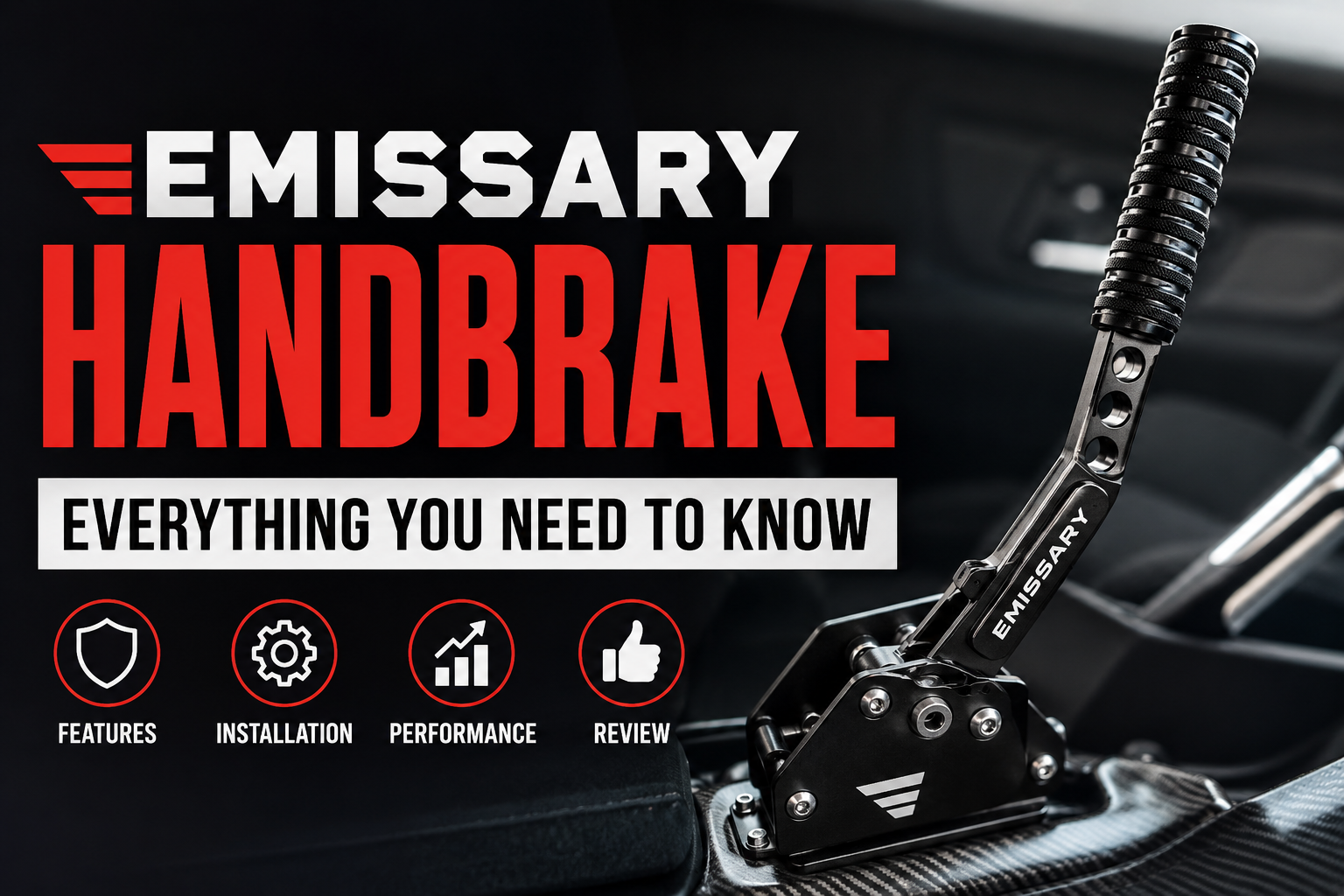
Emissary Handbrake: Everything You Need to Know
The Emissary Handbrake has gained attention among automotive enthusiasts and performance-focused drivers looking for improved control, reliability, and a more engaging driving experience. Whether you are upgrading a vehicle setup, exploring advanced driving techniques, or simply researching high-quality handbrake systems, understanding how this component works can help you make a better decision.
A handbrake is no longer viewed only as a parking mechanism. In modern performance driving, specialized handbrakes can play an important role in vehicle control, especially in motorsports, drifting, and custom vehicle builds. The Emissary Handbrake represents the type of aftermarket equipment designed for drivers who want precision, responsiveness, and enhanced functionality.
This guide explains everything you need to know about the Emissary Handbrake, including its purpose, key features, installation considerations, advantages, potential limitations, and common questions buyers often ask.
Key Takeaways
- The Emissary Handbrake is designed for drivers seeking improved vehicle control and a more performance-oriented setup.
- Understanding compatibility and installation requirements is essential before purchasing any aftermarket handbrake system.
- A quality handbrake can improve driving precision in specific applications such as motorsports and custom builds.
- Proper maintenance helps ensure reliable operation and long-term performance.
- Choosing the right handbrake depends on your vehicle type, driving goals, and installation preferences.
Emissary Handbrake: Understanding Its Purpose and Function
A handbrake, also known as a parking brake or emergency brake, traditionally keeps a vehicle stationary when parked. However, performance-oriented handbrakes serve a broader purpose.
The Emissary Handbrake falls into the category of specialized automotive components designed for drivers who require greater control over braking input. Unlike standard factory handbrakes, aftermarket systems often focus on improved ergonomics, stronger construction, and better response.
For enthusiasts, a dedicated handbrake system can provide:
- Faster engagement
- Better driver feedback
- More precise control
- Improved accessibility during performance driving
- Customization options for different vehicle setups
The importance of a quality handbrake depends heavily on how the vehicle is used. A daily commuter may never need an upgraded system, while a track enthusiast or drifting driver may consider it an essential modification.
What Makes the Emissary Handbrake Different?
Performance-Oriented Design
One of the main reasons drivers consider aftermarket handbrakes is the difference in design compared with standard factory units.
A performance handbrake typically focuses on:
- Stronger materials
- Improved lever positioning
- More direct mechanical feel
- Better durability under demanding conditions
The goal is to provide predictable operation when precise control matters.
Improved Driver Control
Vehicle control depends on how quickly and accurately a driver can communicate with the car. A responsive handbrake can provide better feedback, allowing drivers to understand exactly when and how the braking system engages.
This can be particularly useful in situations where quick adjustments are required.
Customization Possibilities
Many enthusiasts choose aftermarket components because they allow customization. Depending on the setup, drivers may adjust:
- Lever position
- Handle style
- Mounting location
- Hydraulic or mechanical configuration
- Compatibility with other performance parts
Customization allows the system to match the driver’s preferences and vehicle requirements.
Emissary Handbrake Features to Consider
When evaluating an Emissary Handbrake setup, several characteristics are worth examining.
| Feature | Why It Matters |
|---|---|
| Build quality | Determines durability and reliability |
| Ergonomic design | Affects comfort and ease of use |
| Vehicle compatibility | Ensures proper installation |
| Installation requirements | Influences complexity and cost |
| Maintenance needs | Impacts long-term ownership |
Build Quality and Materials
A handbrake experiences repeated mechanical stress, especially in performance environments. High-quality construction helps prevent premature wear and ensures consistent operation.
Materials commonly considered important include:
- Strong metal components
- Durable mounting hardware
- Reliable internal mechanisms
- Quality connection points
A well-built system provides confidence during regular use.
Compatibility With Your Vehicle
Not every handbrake system works with every vehicle. Before purchasing an Emissary Handbrake, drivers should consider:
- Vehicle model
- Existing braking setup
- Available installation space
- Required modifications
- Intended use
Checking compatibility prevents unexpected installation problems.
Installation Guide: What Drivers Should Know
Installing an aftermarket handbrake can range from straightforward to complex depending on the vehicle and system configuration.
Basic Installation Considerations
Before installation, consider:
- Vehicle preparation
- Mounting location selection
- Brake system compatibility
- Required tools and hardware
- Testing after installation
Professional installation may be recommended for drivers unfamiliar with automotive braking systems.
Mechanical vs Hydraulic Handbrake Systems
Many performance vehicles use either mechanical or hydraulic handbrake designs.
| Type | Advantages | Considerations |
|---|---|---|
| Mechanical handbrake | Simple design and direct operation | May have limited adjustment options |
| Hydraulic handbrake | Strong braking response and performance use | Requires more complex installation |
The right choice depends on the vehicle purpose and driving style.
Benefits of Using an Emissary Handbrake
Better Performance Control
For enthusiasts, one of the biggest advantages is improved control. A well-designed handbrake allows drivers to make quicker and more deliberate inputs.
Enhanced Driving Experience
Many modifications are not only about performance numbers. They are also about creating a more connected experience between the driver and vehicle.
A responsive handbrake can make driving feel more engaging.
Suitable for Custom Builds
Vehicle builders often look for components that match their specific goals. An aftermarket handbrake can become part of a larger performance-focused setup.
Common applications include:
- Modified street cars
- Track vehicles
- Drift builds
- Motorsport projects
Potential Limitations of an Emissary Handbrake
While performance upgrades offer benefits, they are not always necessary for every driver.
Installation Complexity
Some setups require professional knowledge, additional parts, or modifications. Installation difficulty can increase depending on the vehicle.
Additional Cost
Compared with a factory handbrake system, aftermarket solutions usually involve higher costs because of improved materials and specialized designs.
Not Always Needed for Daily Driving
For many everyday drivers, a standard parking brake system is completely sufficient. An upgraded handbrake makes the most sense when the driver has a specific performance goal.
How to Choose the Right Emissary Handbrake Setup
Selecting the right setup requires understanding your priorities.
Identify Your Driving Purpose
Ask yourself:
- Is the vehicle mainly for daily use?
- Is it used for track events?
- Are you building a performance project?
- Do you need improved control or simply a visual upgrade?
Your answer will influence the best choice.
Consider Your Budget
A complete upgrade may include:
- Handbrake unit
- Installation hardware
- Additional components
- Professional installation costs
Planning your budget prevents unexpected expenses.
Research Vehicle Requirements
Always confirm:
- Fitment details
- Installation method
- Required modifications
- Maintenance expectations
A good match between the vehicle and the handbrake system is essential.
Maintenance Tips for Long-Term Performance
Proper maintenance helps keep any automotive component working reliably.
Recommended practices include:
- Inspecting mounting points regularly
- Checking for unusual movement or looseness
- Keeping mechanical parts clean
- Monitoring brake system performance
- Addressing problems early
Regular inspections can prevent small issues from becoming expensive repairs.
Common Mistakes to Avoid
When upgrading a vehicle’s handbrake system, drivers sometimes make avoidable mistakes.
Ignoring Compatibility
Buying a system without confirming fitment can lead to installation problems.
Prioritizing Appearance Over Function
A visually appealing component is not useful if it does not perform properly.
Skipping Professional Advice
Brake-related modifications require careful attention because they directly affect vehicle operation and safety.
Frequently Asked Questions
What is an Emissary Handbrake used for?
The Emissary Handbrake is used to provide improved control and performance-oriented braking input, particularly in modified vehicles and enthusiast applications.
Is an Emissary Handbrake suitable for daily driving?
It can be suitable depending on the installation and vehicle setup, but many daily drivers do not require an upgraded handbrake system.
Can I install an Emissary Handbrake myself?
Installation depends on your mechanical experience, vehicle design, and the type of handbrake system. Some installations may require professional assistance.
What should I check before buying an Emissary Handbrake?
You should check vehicle compatibility, installation requirements, intended use, build quality, and overall cost.
Is a hydraulic handbrake better than a mechanical one?
Neither option is universally better. Hydraulic systems often provide stronger performance characteristics, while mechanical systems may offer simpler installation and maintenance.
How often should a handbrake system be inspected?
Regular inspections are recommended, especially for vehicles used in demanding driving conditions.
Does an upgraded handbrake improve vehicle performance?
It can improve driver control and responsiveness, but it does not increase engine power or directly improve acceleration.
Conclusion
The Emissary Handbrake represents the type of automotive upgrade designed for drivers who want more control, customization, and a performance-focused driving experience. While a standard factory handbrake works well for everyday transportation, an upgraded system can provide meaningful advantages for enthusiasts, custom builders, and performance drivers.
Choosing the right handbrake requires careful consideration of vehicle compatibility, installation requirements, budget, and intended use. A quality setup combined with proper maintenance can deliver reliable performance and a more engaging connection between driver and vehicle.
For anyone exploring aftermarket handbrake options, understanding the technology, benefits, and limitations is the first step toward making a smart and informed decision.















Leave a Reply