

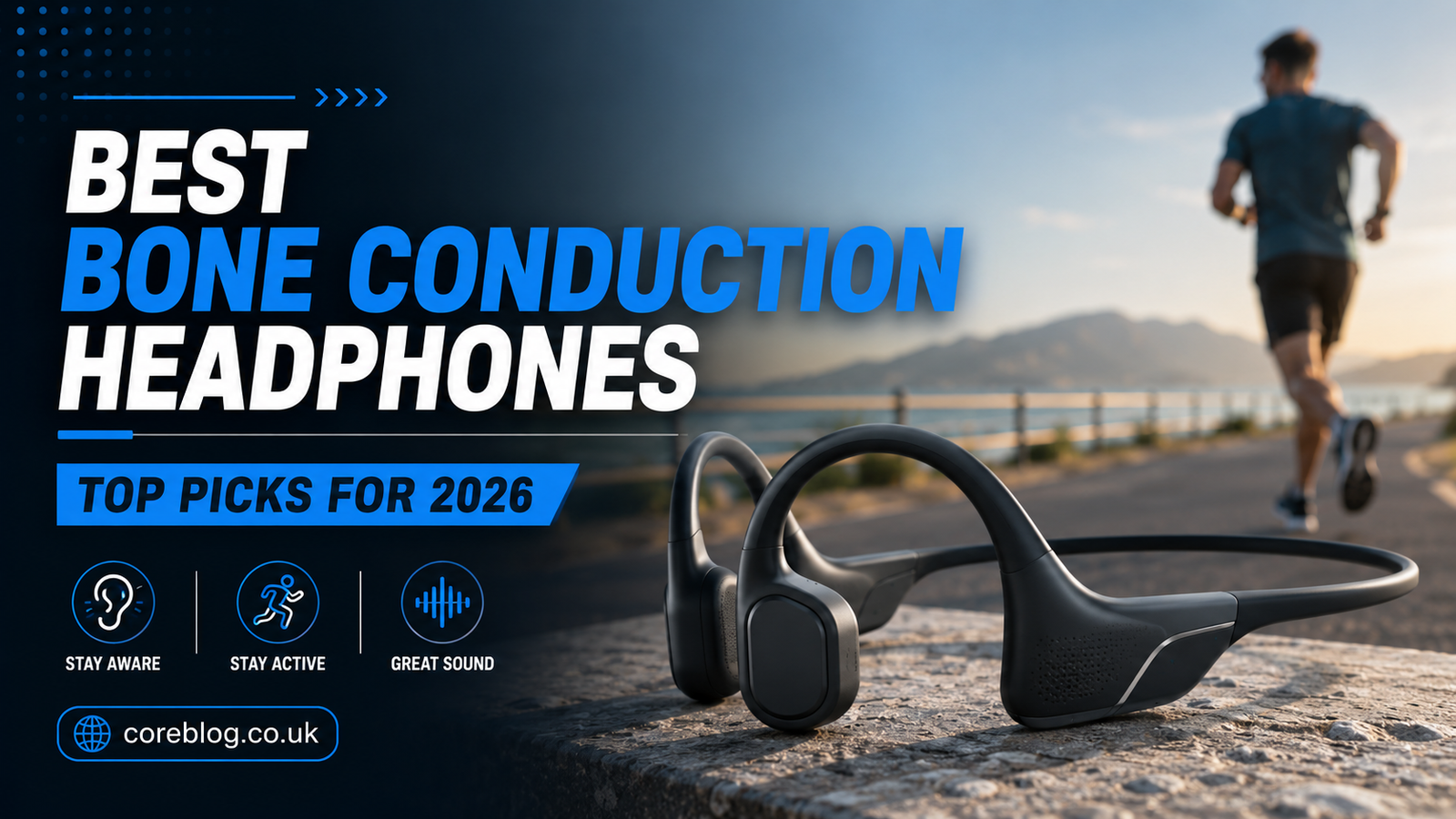
Why Bone Conduction Headphones Are Having a Big Moment
There is something refreshing about wearing headphones that do not block your ears. You can hear your playlist, answer calls, follow a podcast, and still notice the world around you. That is exactly why the Best Bone Conduction Headphones have become so popular with runners, cyclists, gym lovers, hikers, office workers, and even people who simply dislike the plugged-up feeling of regular earbuds.
Traditional earbuds sit inside your ear canal. Over-ear headphones cover your ears. Bone conduction headphones work differently. They rest near your cheekbones and send sound through gentle vibrations. Your ears stay open, so you can hear traffic, people, announcements, pets, doorbells, or anything else around you.
That one feature changes everything.
If you run outdoors, open-ear headphones can help you stay aware. If you cycle, they let you hear cars and road noise. If you work from home, they allow you to listen to calls without feeling sealed off all day. And if normal earbuds make your ears sore, bone conduction wireless headphones can feel like a breath of fresh air.
Of course, they are not perfect for everyone. They usually do not deliver the same deep bass as noise-canceling earbuds. They can leak a little sound at high volume. And in loud places, you may need to turn the volume up more than usual. However, for comfort, safety, sweat resistance, and everyday movement, they are hard to ignore.
In this guide, we will look at the Best Bone Conduction Headphones for 2026, what makes them worth buying, who should use them, and how to choose the right pair without wasting money.
What Are Bone Conduction Headphones?
Bone conduction headphones are open-ear headphones that send sound through vibrations rather than pushing audio directly into your ear canal. The small speaker pads usually sit in front of your ears, near the cheekbones. From there, vibrations travel through the bones of your face and reach your inner ear.
It sounds unusual at first, but the idea is simple. You hear your music while your ears remain open.
Why People Like Them
The biggest reason people choose bone conduction headphones is awareness. You can enjoy audio while still hearing your surroundings. That makes them a strong choice for outdoor activities, especially running, cycling, walking, hiking, commuting, and training.
They are also useful for people who do not like in-ear earbuds. Some users find earbuds uncomfortable, sweaty, or irritating after long use. Bone conduction headphones avoid that problem because nothing sits inside the ear canal.
Where They Work Best
Bone conduction headphones are especially useful for:
- Running on roads or trails
- Cycling outdoors
- Walking in busy areas
- Gym workouts
- Office calls
- Podcasts and audiobooks
- Long training sessions
- Swimming, if the model is waterproof and supports MP3 storage
- People who want open-ear comfort
However, they are not always the best choice for flights, noisy trains, or deep bass music. If you want full noise cancellation, regular earbuds or over-ear headphones may suit you better.
Why Choose the Best Bone Conduction Headphones in 2026?
The latest models are much better than older bone conduction headphones. A few years ago, people often complained about weak bass, buzzing vibrations, short battery life, and poor call quality. In 2026, the category feels more mature.
The Best Bone Conduction Headphones now offer better sound, stronger Bluetooth connection, lighter frames, faster charging, improved microphones, better water resistance, and more secure fits. Some models even include onboard music storage, making them useful for swimming or phone-free workouts.
Key Benefits
Here is why many buyers are switching to bone conduction headphones:
- Open-ear listening for better awareness
- Comfortable fit for long sessions
- Great for running and cycling
- Less ear fatigue than earbuds
- Sweat-resistant or waterproof designs
- Stable wraparound frames
- Lightweight build
- Good for calls and podcasts
- Useful for people who dislike ear tips
- Safer option for outdoor training
In short, the Best Bone Conduction Headphones are not just a tech trend. They solve a real problem for people who want music without blocking the outside world.
Best Bone Conduction Headphones: Quick Comparison Table
| Model | Best For | Battery Life | Water Resistance | Key Strength |
|---|---|---|---|---|
| Shokz OpenRun Pro 2 | Best overall | Up to 12 hours | IP55 | Premium sound and comfort |
| Shokz OpenRun | Running and workouts | Up to 8 hours | IP67 | Reliable sports fit |
| Shokz OpenMove | Budget buyers | Up to 6 hours | IP55 | Affordable open-ear audio |
| Mojawa Run Plus | Swimming and storage | Up to 8 hours | IP68 | Waterproof design and MP3 mode |
| Suunto Wing | Outdoor athletes | Up to 10 hours | IP67 | Safety lights and rugged build |
| H2O Audio Tri Pro Multi-Sport | Swimmers and triathletes | Up to 8 hours | Waterproof design | Great for water training |
| Naenka Runner Diver2 | Swimming and running | Up to 10 hours | IP68 | Good value for multi-sport use |
| YouthWhisper Bone Conduction Headphones | Casual use | Up to 8 hours | Sweat-resistant | Simple daily listening |
1. Shokz OpenRun Pro 2: Best Overall Pick
When people talk about the Best Bone Conduction Headphones, Shokz is usually the first brand that comes up. The Shokz OpenRun Pro 2 is one of the strongest all-around choices for 2026 because it balances sound, comfort, design, and battery life very well.
This model is made for people who want premium open-ear headphones for running, cycling, training, and daily use. It has a lightweight frame, secure fit, and better bass than many older bone conduction models. The sound feels fuller, especially for podcasts, pop music, workout playlists, and voice calls.
Why It Stands Out
The OpenRun Pro 2 gives you up to 12 hours of battery life, which is excellent for long training days. It also supports fast charging, so a short charge can help you get back to your workout quickly. The open-ear design keeps you aware of your surroundings, while the improved audio system makes listening more enjoyable than basic models.
Best For
This is a great pick for:
- Runners
- Cyclists
- Gym users
- Daily commuters
- Fitness lovers
- People who want premium open-ear headphones
What Could Be Better
The IP55 rating is fine for sweat and light rain, but it is not built for swimming. If you need headphones for the pool, choose a waterproof IP68 model with built-in music storage instead.
Overall, the Shokz OpenRun Pro 2 is one of the Best Bone Conduction Headphones for buyers who want a polished, reliable, and comfortable experience.
2. Shokz OpenRun: Best for Runners
The Shokz OpenRun remains a favorite among runners because it is light, secure, and simple. Not everyone needs the most expensive model. Sometimes, you just want headphones that stay in place, survive sweat, and work every time you head out.
That is where the OpenRun shines.
It has a wraparound design that feels stable during movement. Whether you are jogging, sprinting, or doing bodyweight exercises, it does not bounce around like cheap wireless earbuds often do.
Why Runners Like It
The open-ear design lets you hear cars, bikes, dogs, people, and traffic signals. That matters if you run outside. The fit is also comfortable enough for longer runs, and the controls are easy to use while moving.
Best For
Choose Shokz OpenRun if you want:
- A trusted running headphone
- Secure fit during workouts
- Good sweat resistance
- Comfortable open-ear listening
- A reliable brand without paying flagship prices
What Could Be Better
The sound is clear, but bass lovers may want the OpenRun Pro 2 instead. Still, for runners who care more about awareness and comfort than heavy bass, this is a very sensible pick.
3. Shokz OpenMove: Best Budget Choice
Not everyone wants to spend premium money on sports headphones. If you are new to bone conduction audio, the Shokz OpenMove is a smart entry-level option. It gives you the open-ear experience at a lower price while still coming from a trusted name.
The sound is not as rich as the higher-end Shokz models, but it is good enough for podcasts, calls, audiobooks, casual music, and light workouts.
Why It Makes Sense
The OpenMove is great for people who want to try bone conduction headphones without making a big investment. It is comfortable, easy to use, and practical for walking, home office calls, commuting, and basic training.
Best For
This model works well for:
- First-time buyers
- Budget shoppers
- Casual listeners
- Students
- Office users
- Light workouts
What Could Be Better
Battery life and sound quality are more basic than premium models. However, for the price, it does the job well. If you want the Best Bone Conduction Headphones on a budget, OpenMove deserves a serious look.
4. Mojawa Run Plus: Best for Swimming
Swimming changes the buying decision completely. Bluetooth does not work well underwater, so you need headphones with built-in music storage and strong waterproof protection. That is why the Mojawa Run Plus is one of the top choices for swimmers.
It has an IP68 waterproof rating and onboard MP3 storage, making it useful for pool workouts, open-water training, and wet outdoor conditions. You can load music directly onto the device and listen without keeping your phone nearby.
Why Swimmers Should Consider It
For swimmers, waterproofing is not a bonus. It is the main feature. The Run Plus is built for water use, and that makes it more practical than many regular sports headphones.
Best For
Choose Mojawa Run Plus if you need:
- Swimming headphones
- IP68 waterproof protection
- MP3 music storage
- Phone-free workouts
- Multi-sport use
What Could Be Better
The fit may feel different from Shokz models, and the app experience may not be as polished for everyone. However, if swimming is part of your routine, this is one of the Best Bone Conduction Headphones to consider.
5. Suunto Wing: Best for Outdoor Athletes
The Suunto Wing is built for serious outdoor users. It is not just about music. It is about visibility, awareness, and durability. It includes features like LED safety lights and a rugged design, which makes it appealing for runners, cyclists, and adventure athletes.
If you train early in the morning or late in the evening, the extra visibility can be useful. It also feels like a product designed by people who understand outdoor sports.
Why It Stands Out
The Suunto Wing is a strong choice for athletes who care about safety and performance. The open-ear design helps you stay connected to your surroundings, while the build quality feels suitable for demanding use.
Best For
This model is ideal for:
- Trail runners
- Cyclists
- Night runners
- Outdoor athletes
- Adventure training
- People who want extra safety features
What Could Be Better
It may feel slightly heavier than some simpler models. The price can also be higher than basic bone conduction headphones. However, the extra features may be worth it if you train outdoors often.
6. H2O Audio Tri Pro Multi-Sport: Best for Triathletes
Triathletes need headphones that can handle more than one environment. Running, cycling, swimming, sweat, water, and long sessions all matter. The H2O Audio Tri Pro Multi-Sport is made for people who train across different sports.
It is especially useful for swimmers and endurance athletes who want music during pool sessions or mixed training days.
Why It Works
The main advantage is versatility. It is not just a casual pair of wireless headphones. It is designed for people who need something tougher than normal earbuds.
Best For
This is a good option for:
- Triathletes
- Swimmers
- Multi-sport athletes
- Endurance training
- Phone-free workouts
What Could Be Better
It may be more specialized than casual users need. If you only walk or go to the gym sometimes, a simpler model may be enough.
7. Naenka Runner Diver2: Best Value for Swimming and Running
The Naenka Runner Diver2 is another strong option for buyers who want waterproof bone conduction headphones without spending as much as some premium models. It often attracts swimmers and runners because it offers water resistance, onboard storage, and open-ear comfort.
Why It Is Worth Considering
This model gives you many useful features for the money. It works for running, swimming, and general workouts. For people who want one pair for different activities, it can be a practical choice.
Best For
Choose it if you want:
- Good value
- IP68-style waterproof protection
- MP3 storage
- Running and swimming use
- A budget-friendly alternative to premium brands
What Could Be Better
The sound and build may not feel as premium as Shokz or Suunto. Still, for the price, it offers a lot.
8. YouthWhisper Bone Conduction Headphones: Best for Casual Use
If your needs are simple, YouthWhisper bone conduction headphones can be a decent everyday choice. They are usually more affordable and work well for walking, calls, podcasts, and light exercise.
They are not built to compete with premium models, but not every buyer needs that. Sometimes you just want something comfortable for daily listening.
Best For
This model suits:
- Casual users
- Walking
- Podcasts
- Phone calls
- Light workouts
- Budget buyers
What Could Be Better
Sound quality, microphone performance, and durability can vary compared with premium brands. If you train hard every day, invest in a stronger model. But for light use, it can be enough.
How to Choose the Best Bone Conduction Headphones
Buying the Best Bone Conduction Headphones is easier when you know what matters. Do not just choose the most expensive pair. Choose the pair that matches your daily routine.
1. Think About Your Main Activity
Your use case matters most. A runner needs a secure fit and sweat resistance. A swimmer needs waterproofing and MP3 storage. An office worker needs clear microphones and comfort. A cyclist needs awareness and stability.
Before buying, ask yourself: where will I use them the most?
2. Check Battery Life
Battery life can range from around 6 hours to 12 hours or more. If you only use headphones for short walks, 6 hours may be fine. However, if you train daily, travel, or work long hours, longer battery life is worth it.
3. Look at Water Resistance
Water resistance ratings matter. IP55 is usually fine for sweat and light rain. IP67 offers stronger protection. IP68 is better for swimming and heavy water exposure.
However, always read the product instructions. Not every waterproof headphone is suitable for salt water, hot showers, or deep submersion.
4. Consider Sound Quality
Bone conduction headphones are better than before, but they still sound different from in-ear earbuds. Expect clear vocals, good podcasts, decent music, and lighter bass.
If bass is your top priority, you may prefer traditional earbuds. But if safety and comfort matter more, bone conduction headphones make sense.
5. Check Fit and Size
Some models come in different sizes. That is useful because head shape matters. A loose fit can feel annoying, while a tight fit may cause pressure during long sessions.
If possible, choose a model with a known comfortable design and lightweight frame.
6. Think About Calls
If you take a lot of calls, microphone quality matters. Look for noise reduction, dual microphones, and clear voice pickup. For office use, this can be just as important as music quality.
7. Choose Trusted Brands
A cheap pair may look tempting, but quality can vary. Trusted brands usually offer better comfort, better warranty, stronger build, and more reliable Bluetooth performance.
Bone Conduction Headphones vs Regular Earbuds
This is one of the most common questions buyers ask. Are bone conduction headphones better than earbuds?
The answer depends on what you need.
Bone Conduction Headphones Are Better For
- Outdoor awareness
- Running safety
- Cycling
- Long comfort
- People who dislike ear tips
- Workouts
- Podcasts and calls
- Situational awareness
Regular Earbuds Are Better For
- Strong bass
- Noise cancellation
- Travel
- Flights
- Loud environments
- Private listening
- Studio-like sound
So, the Best Bone Conduction Headphones are not meant to replace every headphone. They are meant to solve a specific problem: listening while staying aware.
Are Bone Conduction Headphones Safe?
For most users, bone conduction headphones are safe when used at reasonable volume. Since they leave your ear canal open, they can reduce the feeling of ear pressure that some people get from earbuds.
However, volume still matters. Loud sound can still affect hearing over time, even if it reaches your inner ear differently. Keep the volume comfortable, especially during long listening sessions.
Also, remember that awareness does not mean invincibility. If you are running or cycling outdoors, keep your volume low enough to hear traffic clearly.
Best Bone Conduction Headphones for Running
For running, the best choices are usually:
- Shokz OpenRun Pro 2
- Shokz OpenRun
- Suunto Wing
- Naenka Runner Diver2
Runners should focus on secure fit, sweat resistance, comfort, and battery life. If you run near roads, open-ear design is a huge benefit. You can enjoy music without fully blocking your surroundings.
The Best Bone Conduction Headphones for running should feel almost invisible once you start moving. They should not bounce, pinch, or slide around.
Best Bone Conduction Headphones for Swimming
For swimming, choose models with strong waterproof protection and onboard music storage. Bluetooth is not reliable underwater, so MP3 mode is important.
Good swimming options include:
- Mojawa Run Plus
- H2O Audio Tri Pro Multi-Sport
- Naenka Runner Diver2
Do not buy regular sweat-resistant headphones for swimming. Sweat resistance and waterproof swimming protection are not the same thing.
Best Bone Conduction Headphones for Workouts
For gym workouts, comfort and fit matter most. You want headphones that stay secure during lifting, treadmill runs, rowing, stretching, and bodyweight training.
Good workout picks include:
- Shokz OpenRun Pro 2
- Shokz OpenRun
- Shokz OpenMove
- Suunto Wing
If you train indoors, sound quality may matter more because you are not dealing with traffic noise. However, open-ear comfort still makes these headphones easy to wear for long sessions.
Best Bone Conduction Headphones for Calls
For calls, look for models with strong microphones and stable Bluetooth. The Shokz OpenRun Pro 2 is one of the better choices for daily calls because it offers a more premium overall experience.
Bone conduction headphones can be useful for remote work because they do not seal your ears. You can stay on a meeting while still hearing your doorbell, family, or office surroundings.
Pros and Cons of Bone Conduction Headphones
Pros
- Great awareness outdoors
- Comfortable for long wear
- Nothing inside the ear canal
- Stable for sports
- Good for podcasts and calls
- Helpful for runners and cyclists
- Sweat-resistant options available
- Waterproof models available
- Lightweight and easy to carry
Cons
- Bass is usually weaker than earbuds
- Sound can leak at high volume
- Not ideal for very noisy places
- Premium models can be expensive
- Fit depends on head shape
- Some vibration can be felt at high volume
Common Mistakes to Avoid Before Buying
Many buyers make the same mistakes when choosing bone conduction headphones. Avoid these, and you will have a better chance of getting the right pair.
Buying Only Based on Price
Cheap headphones can work, but they often compromise on sound, fit, battery, and durability. If you use them daily, paying more for a trusted model may save money in the long run.
Ignoring Water Resistance
If you sweat heavily or run in rain, check the IP rating. If you swim, make sure the headphones are actually designed for swimming.
Expecting Deep Bass
Bone conduction headphones are not bass monsters. They are built for comfort and awareness. If you expect the same sound as premium noise-canceling earbuds, you may feel disappointed.
Forgetting About Fit
Fit matters more than people think. A great pair of headphones can feel average if the size is wrong. Look for models with size options if you have a smaller head.
Final Buying Advice: Which Pair Should You Choose?
If you want the best all-around pair, choose Shokz OpenRun Pro 2. It offers premium comfort, strong battery life, better sound, and a polished experience.
If you are a runner who wants a reliable pair without going all-in on the flagship model, Shokz OpenRun is still a fantastic choice.
If you want a budget-friendly entry point, Shokz OpenMove is easy to recommend.
If you swim, choose Mojawa Run Plus, H2O Audio Tri Pro Multi-Sport, or Naenka Runner Diver2. Just make sure the model supports onboard storage because underwater Bluetooth is limited.
If you are an outdoor athlete who trains in different conditions, Suunto Wing is worth considering for its rugged features and safety-focused design.
Conclusion: The Best Bone Conduction Headphones Make Listening Feel Freer
The Best Bone Conduction Headphones are not just about sound. They are about freedom. Freedom to hear your music without blocking the world. Freedom to run with more awareness. Freedom to work, walk, cycle, train, and move without the sealed-off feeling of regular earbuds.
For 2026, the category is stronger than ever. The sound is better, the designs are lighter, battery life has improved, and there are now solid choices for runners, swimmers, cyclists, gym users, and everyday listeners.
If you want the safest overall choice, the Shokz OpenRun Pro 2 is hard to beat. If you want something affordable, the OpenMove is a smart start. And if swimming is your priority, go for a waterproof model with MP3 storage.
At the end of the day, the right pair depends on your lifestyle. Think about where you will use them most, how much battery you need, whether you need waterproofing, and how important sound quality is to you.
Have you tried bone conduction headphones before, or are you planning to buy your first pair in 2026? Share your thoughts, compare your favorite model, and pass this guide along to someone who loves running, cycling, or open-ear listening.













Leave a Reply