

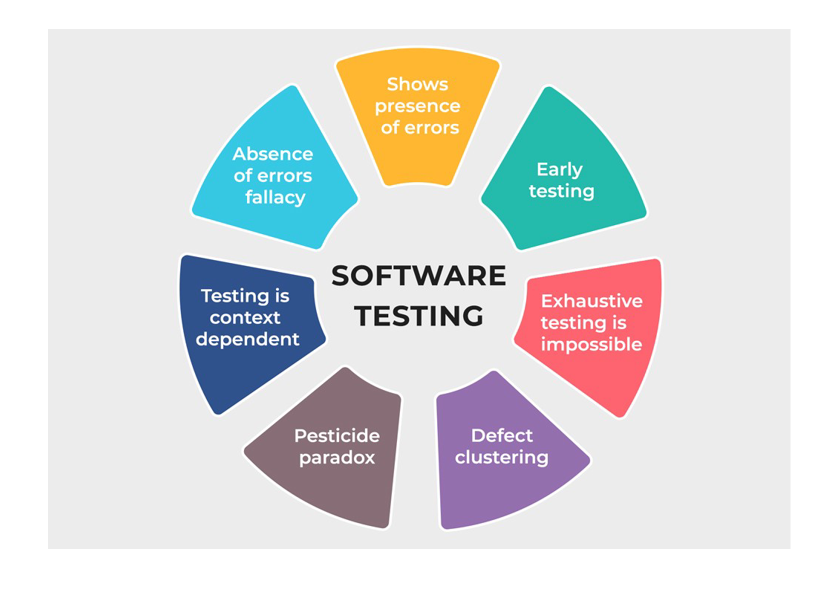
Why Software Testing Matters More Than Ever
Every app you use today—from social media to banking—has gone through testing before reaching your phone. But have you ever wondered how developers make sure everything works smoothly before release? That’s where Software Testing Basics come into play. Understanding Software Testing Basics is like learning the foundation of digital quality control. Without testing, software would crash, break, or behave unpredictably. In today’s fast-moving tech world, companies rely heavily on testers to ensure products are reliable, secure, and user-friendly. In this beginner guide, we will break down Software Testing Basics in a simple, human way so even someone with no technical background can understand it easily. No heavy jargon, just clear learning.
What Are Software Testing Basics?
At its core, Software Testing Basics refers to the fundamental principles of checking software applications for errors, bugs, and performance issues before they are released to users. Software testing ensures the application works as expected, no critical bugs are present, user experience is smooth, security is maintained, and performance meets standards. When people learn Software Testing Basics, they are essentially learning how to think like a quality assurance (QA) professional.
Why Software Testing Basics Are Important
Many beginners underestimate the importance of testing, but in real-world software development, it is absolutely critical. It prevents software failures in production, improves user satisfaction, reduces development cost, ensures security and stability, and builds trust in digital products. Without Software Testing Basics, even a small bug can cause huge financial or reputational damage.
Types of Software Testing You Should Know
Understanding Software Testing Basics also means knowing different testing types used in real projects. Manual testing is done by humans without automation tools where testers manually check features. Automated testing uses scripts and tools to run tests automatically. Functional testing checks if features work correctly. Non-functional testing focuses on performance, usability, and reliability. Regression testing ensures new updates don’t break existing features. Smoke testing is a quick check to see if software is stable enough for deeper testing. These categories form the backbone of Software Testing Basics.
Software Testing Life Cycle (STLC)
To fully understand Software Testing Basics, you need to know the STLC process. It includes requirement analysis, test planning, test case development, environment setup, test execution, defect reporting, and test closure. Each stage plays an important role in ensuring software quality and maintaining structured testing flow.
Common Software Testing Terms
When learning Software Testing Basics, you’ll often hear technical terms like bug, defect, error, test case, test plan, QA (Quality Assurance), QA engineer, test script, test scenario, automation framework, test coverage, debugging, validation, verification, build version, release cycle, deployment, performance testing, load testing, stress testing, and user acceptance testing. These terms are essential for mastering It is .
Skills Needed for Software Testing Basics
To succeed in this field, you don’t need to be a coding expert, but certain skills are important. Analytical thinking, attention to detail, logical reasoning, communication skills, basic understanding of software systems, familiarity with testing tools, and problem-solving ability are all essential. Learning It is builds a strong foundation for a long-term tech career.
Popular Tools Used in Software Testing
Modern testers use tools to make testing faster and more accurate. Common tools include Selenium, JUnit, TestNG, Postman, JIRA, Jenkins, LoadRunner, Appium, Cypress, and Bugzilla. These tools help automate and manage Software Testing Basics effectively and improve productivity in QA workflows.
Manual Testing vs Automation Testing
One of the most important concepts in It is understanding manual versus automation testing. Manual testing is done by humans and is best for UI and exploratory testing, though it is slower but flexible. Automation testing uses scripts, is faster in execution, ideal for repeated tasks, and requires coding knowledge. Both approaches are essential in modern QA processes.
Real-World Example of Software
Imagine a food delivery app. Before launch, testers check if users can sign up correctly, ordering works smoothly, payment is secure, notifications are working, and the app does not crash under load. All of this is part of It in action, ensuring users get a smooth and reliable experience.
Career Opportunities in Software
Learning Software Testing Basics opens many job opportunities in tech. Career roles include QA Tester, QA Engineer, Automation Tester, Test Analyst, It Quality Engineer, and Performance Tester. Industries hiring testers include IT companies, banking sector, e-commerce platforms, healthcare software companies, and gaming industry. The demand for It is professionals is growing rapidly.
Advantages of Learning Software
There are many benefits to understanding It is such as easy entry into IT field, high demand jobs, good salary growth, opportunities for automation roles, strong career stability, and global job opportunities. Even beginners can start a tech career with It is knowledge.
Challenges in Software Testing
Like any profession, testing also comes with challenges such as constantly changing requirements, tight deadlines, complex systems, finding hidden bugs, and learning new tools regularly. However, mastering It is helps overcome these challenges effectively.
Software Testing Basics Table Overview
| Concept | Description |
|---|---|
| Testing Types | Manual, Automation, Functional, Non-functional |
| STLC | Structured testing process |
| Bug | Error in software |
| QA Role | Ensures software quality |
| Tools | Selenium, JIRA, Postman |
| Goal | Deliver bug-free software |
Conclusion: Why Software Testing Basics Matter
In conclusion, Software Testing Basics is not just a technical subject, it is the backbone of every successful It is product. Without testing, even the most advanced applications would fail to deliver a smooth user experience. Whether you are a beginner exploring tech careers or someone curious about how apps work, learning It is gives you valuable insight into the digital world. It is simple to start, powerful to master, and highly valuable in today’s job market. If you are serious about entering IT, this is one of the best starting points you can choose.













Leave a Reply