

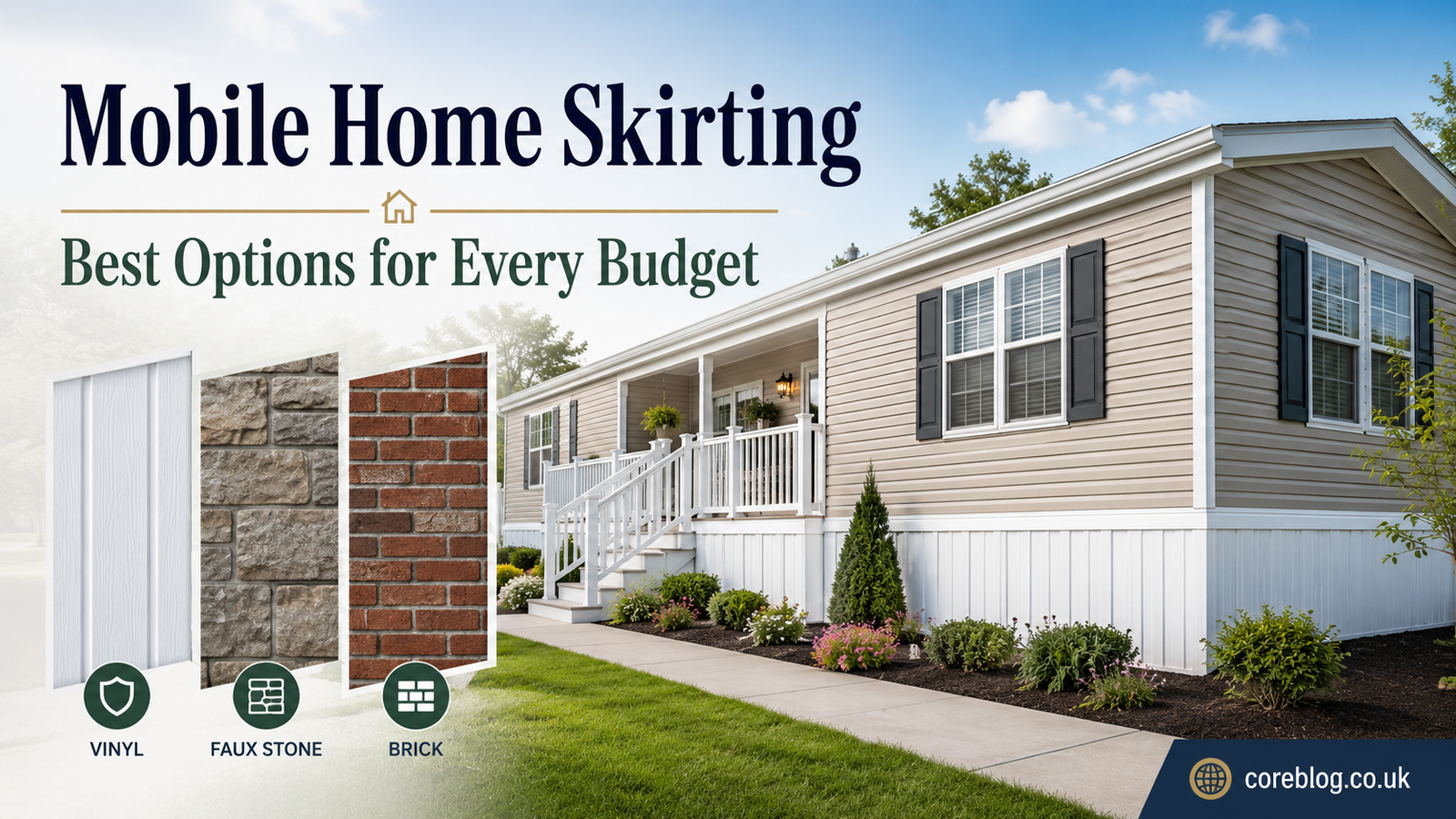
A mobile home can look warm, clean, and well-kept from the outside, but there is one detail that often decides whether it feels finished or forgotten: the skirting.
That space under a manufactured home is not just an empty gap. It is where cold air sneaks in, animals try to hide, moisture can build up, and curb appeal can either shine or fall flat. Good Mobile Home Skirting covers that open space and gives the whole home a cleaner, stronger, more permanent look.
I have seen simple homes look twice as polished just because the owner chose the right skirting. On the other hand, I have also seen expensive homes lose charm because the panels were cracked, faded, or poorly installed. So yes, skirting matters more than many people think.
The good news is that Mobile Home Skirting comes in many styles and price ranges. You do not need a huge budget to improve your home. Whether you want something cheap and quick, strong and long-lasting, or stylish enough to boost curb appeal, there is an option that can fit your needs.
In this guide, we will walk through the best Mobile Home Skirting options for every budget, including vinyl, metal, faux stone, brick, concrete, wood, and more. We will also look at costs, benefits, drawbacks, ventilation, insulation, maintenance, and smart buying tips.
What Is Mobile Home Skirting?
Mobile Home Skirting is the material installed around the bottom edge of a mobile home or manufactured home. It covers the open area between the ground and the base of the home.
At first glance, skirting may seem like a cosmetic feature. However, it does much more than make the home look tidy. It helps protect plumbing, blocks wind, reduces heat loss, keeps pests away, and can even improve energy efficiency when installed correctly.
In simple words, skirting acts like a protective barrier. It closes off the underside of the home while still allowing proper airflow through vents. This balance is important because a fully sealed crawl space can trap moisture, while a wide-open one can invite damage.
Why Mobile Home Skirting Is Important
Mobile Home Skirting is not only about appearance. It plays a practical role in daily comfort and long-term home care.
It Improves Curb Appeal
A mobile home without skirting can look unfinished. The exposed underside may show pipes, blocks, supports, and empty space. Skirting hides all of that and gives the home a cleaner exterior.
Even affordable vinyl skirting can make a big difference. If you choose faux stone, brick-style panels, or textured skirting, the home can look more like a site-built house.
It Protects Against Weather
Wind, rain, snow, and dust can damage the underside of a mobile home over time. In colder areas, exposed pipes may freeze. In hot and dry places, debris can collect underneath.
Good Mobile Home Skirting creates a barrier against harsh weather. It helps keep the crawl space more stable and protected.
It Helps With Energy Efficiency
When cold air moves under the home, floors can feel chilly. Your heating system may also work harder. In summer, hot air under the home can affect indoor comfort too.
Insulated skirting or well-installed panels can help reduce drafts. While skirting alone will not solve every energy problem, it can support better temperature control.
It Keeps Animals Out
Cats, raccoons, snakes, rodents, and insects often look for quiet spaces to hide. The open area under a mobile home can be perfect for them.
Mobile Home Skirting helps block these unwanted visitors. For better results, all gaps should be sealed and access doors should close tightly.
It Protects Plumbing and Ductwork
Many manufactured homes have pipes, wiring, or ductwork underneath. If these parts are exposed, they are more likely to suffer from freezing, moisture, pests, or physical damage.
Skirting adds a layer of protection and helps keep important systems safer.
Best Mobile Home Skirting Options for Every Budget
There is no single best choice for everyone. The right Mobile Home Skirting depends on your budget, climate, style, and maintenance comfort. Some people want the cheapest option possible. Others want something that lasts for decades.
Here are the most popular options worth considering.
Vinyl Mobile Home Skirting
Vinyl is one of the most common choices for Mobile Home Skirting, and for good reason. It is affordable, easy to find, lightweight, and simple to install.
Vinyl skirting usually comes in panels that slide into tracks. It is available in different colors and textures, including simple solid shades and patterns that look like stone or wood grain.
Why Homeowners Like Vinyl Skirting
Vinyl is budget-friendly and works well for many homes. If your main goal is to cover the underside without spending too much, this is often the first option to check.
It is also easy to replace. If one panel cracks or gets damaged, you can usually remove that piece and install a new one.
Drawbacks of Vinyl Skirting
Vinyl may not be the strongest material. In very cold weather, cheaper vinyl can become brittle. In areas with strong wind, panels may loosen if they are not installed well.
It can also fade over time due to sun exposure. Still, for many homeowners, the low price makes it a practical choice.
Best For
Vinyl Mobile Home Skirting is best for homeowners who want an affordable, neat-looking solution with simple maintenance.
Metal Mobile Home Skirting
Metal skirting is another strong option, especially for people who want durability. It may be made from aluminum, galvanized steel, or other weather-resistant metals.
Metal Mobile Home Skirting gives a clean and sturdy look. It can also handle impact better than thin vinyl panels.
Benefits of Metal Skirting
Metal is strong, pest-resistant, and less likely to crack. It can work well in areas with rough weather. When properly coated, it can resist rust and last for years.
It also gives a more secure feel. If animals are a major problem around your home, metal skirting may offer better protection than lightweight panels.
Possible Downsides
Metal can dent. It may also cost more than basic vinyl. In some climates, poor-quality metal may rust if the protective coating breaks down.
Installation can also be a little more involved because cutting and fitting metal panels requires care.
Best For
Metal skirting is ideal for homeowners who want a stronger barrier and are willing to pay a bit more for durability.
Faux Stone Mobile Home Skirting
Faux stone skirting is popular because it offers a high-end look without the cost of real stone. These panels are usually made from durable plastic, polyurethane, or similar materials.
The big appeal is style. Faux stone Mobile Home Skirting can make a manufactured home look more elegant and grounded.
Why Faux Stone Looks So Good
Stone-style panels add texture, depth, and character. They can match many home colors and landscaping styles. If you want to improve curb appeal fast, faux stone is one of the best choices.
It is also lighter than real stone, so installation is easier.
Things to Consider
Faux stone usually costs more than vinyl. Some cheaper panels may look artificial up close, so it is worth choosing a good-quality product.
Also, careful installation matters. Uneven panels or visible seams can reduce the premium look.
Best For
Faux stone Mobile Home Skirting is best for homeowners who want a stylish upgrade without paying for real masonry.
Brick-Style Mobile Home Skirting
Brick-style skirting gives a classic, permanent appearance. Some products are faux brick panels, while others may involve real brick or masonry work.
Real brick is beautiful and strong, but it can be expensive. Faux brick offers a similar look at a lower cost.
Benefits of Brick-Style Skirting
Brick has a timeless feel. It works well with traditional home designs and gives the base of the home a solid look.
Faux brick panels are easier to install and lighter than real brick. They are also available in different shades, such as red, brown, gray, and whitewashed finishes.
Drawbacks
Real brick installation can be costly and may require professional help. It may also need a proper foundation or support.
Faux brick is more affordable, but quality varies. Thin panels may not offer the same durability as heavier materials.
Best For
Brick-style Mobile Home Skirting is a smart choice if you want a classic look that feels strong, familiar, and attractive.
Concrete Mobile Home Skirting
Concrete skirting is one of the most durable options. It can be poured, blocked, or installed as precast panels. It creates a solid barrier and offers excellent protection.
Why Concrete Is So Durable
Concrete handles wind, impact, pests, and weather very well. It does not rot like wood and will not crack like low-quality vinyl under normal conditions.
It can also add a permanent foundation-like appearance to the home.
What Makes Concrete Expensive
Concrete is heavy and often needs professional installation. Labor costs can be high. It may also require careful planning for access panels, drainage, and ventilation.
However, once installed correctly, it can last a very long time.
Best For
Concrete Mobile Home Skirting is best for long-term homeowners who want strength, security, and low maintenance.
Wood Mobile Home Skirting
Wood skirting has a warm, natural charm. It can be built from treated lumber, plywood, lattice, cedar, or other exterior-grade materials.
Wood can look beautiful, especially on homes with decks, porches, or rustic landscaping.
Why Wood Appeals to Many Homeowners
Wood is flexible. You can paint it, stain it, cut it into custom shapes, or design it to match your home’s style. It also works well for DIY projects.
For a cottage-style or country-style home, wood skirting can feel very inviting.
Maintenance Concerns
Wood needs more care than vinyl, metal, or concrete. It can rot, warp, attract termites, or absorb moisture if not sealed properly.
If you choose wood Mobile Home Skirting, use treated material and keep it sealed. Also, make sure the bottom edge does not sit directly in wet soil.
Best For
Wood skirting is best for homeowners who enjoy a natural look and do not mind occasional maintenance.
Insulated Mobile Home Skirting
Insulated skirting is designed to help control temperature under the home. It may include foam-backed panels, rigid insulation boards, or insulated foundation systems.
This type of Mobile Home Skirting is especially useful in colder climates.
Benefits of Insulated Skirting
Insulated skirting helps reduce cold drafts. It can protect pipes from freezing and make floors feel warmer. In some cases, it may also lower heating costs.
It is a great choice if you live in an area with winter storms, freezing temperatures, or strong winds.
Cost Considerations
Insulated skirting is usually more expensive than basic vinyl. However, the added comfort and energy savings may make it worth the investment.
Best For
Insulated Mobile Home Skirting is best for colder regions and homeowners who want better comfort and protection.
Skirting Cost Comparison Table
| Skirting Type | Budget Level | Durability | Maintenance | Best Feature |
|---|---|---|---|---|
| Vinyl | Low | Medium | Low | Affordable and easy to install |
| Metal | Medium | High | Low to medium | Strong pest protection |
| Faux Stone | Medium to high | Medium to high | Low | Stylish curb appeal |
| Faux Brick | Medium | Medium to high | Low | Classic home look |
| Real Brick | High | Very high | Low | Permanent appearance |
| Concrete | High | Very high | Low | Maximum strength |
| Wood | Low to medium | Medium | High | Natural and custom look |
| Insulated Panels | Medium to high | High | Low | Better temperature control |
How Much Does Mobile Home Skirting Cost?
The cost of Mobile Home Skirting depends on the size of your home, material choice, labor costs, ground condition, and whether you install it yourself.
A small single-wide home will usually cost less than a large double-wide. Basic vinyl is usually the cheapest. Concrete, real brick, and premium insulated systems cost more.
Main Factors That Affect Price
Several things can change the final price:
- Length and width of the mobile home
- Height from the ground to the home base
- Type of skirting material
- Need for framing or ground preparation
- Number of vents and access doors
- Local labor rates
- Climate requirements
- DIY or professional installation
If the ground is uneven, installation may take longer. If you need extra insulation, vents, or pest barriers, the price may also rise.
Budget-Friendly Mobile Home Skirting Ideas
Not every homeowner has thousands of dollars ready for exterior upgrades. Thankfully, there are smart ways to improve your home without overspending.
Choose Basic Vinyl Panels
Basic vinyl skirting is often the most affordable option. It may not look as premium as stone or brick, but it can still look clean and neat.
Choose a color that matches your siding or trim. A simple color match can make budget skirting look more intentional.
Use Lattice With Backing
Lattice can work well for certain homes, especially when paired with solid backing or screening. It has a light and decorative look.
However, lattice alone may not protect against wind, cold, or animals as well as solid panels. It is better for mild climates or decorative areas.
Paint Existing Skirting
If your current Mobile Home Skirting is still in good shape but looks faded, painting may be enough. A fresh coat can change the entire appearance of the home.
Use exterior paint made for the material. Clean the surface first so the paint sticks properly.
Replace Damaged Sections Only
Sometimes you do not need a full replacement. If only a few panels are cracked, dented, or missing, replacing those sections can save money.
This works especially well with vinyl or panel-style skirting.
Mid-Range Skirting Ideas for Better Value
If you have a little more room in your budget, mid-range options can offer a better balance of style and durability.
Try Faux Stone Panels
Faux stone can quickly improve the exterior. It costs more than vinyl, but it looks much more polished.
This is a good choice if you want your home to stand out without paying for real stonework.
Install Metal Skirting
Metal is practical, strong, and long-lasting. It works well for homes in windy areas or places with animals.
You can also choose colors that blend with the home’s exterior.
Combine Materials
A smart trick is to use a premium material on the front of the home and a simpler material on the sides or back. For example, you might use faux stone in front and vinyl along the less visible areas.
This gives curb appeal where it matters most while keeping costs under control.
Premium Mobile Home Skirting Options
If your goal is long-term value and a high-end appearance, premium skirting may be worth it.
Real Brick or Masonry
Real brick looks strong, traditional, and permanent. It can add serious curb appeal. However, it should be installed correctly to avoid structural or drainage problems.
Concrete Panels
Concrete panels are very durable and low maintenance. They are great for homeowners who want a sturdy, long-term solution.
High-Quality Insulated Systems
Premium insulated Mobile Home Skirting can improve comfort and protect the home in harsh weather. It may cost more upfront, but it can be a practical choice for cold climates.
Ventilation: A Detail You Should Not Ignore
One mistake many homeowners make is sealing the skirting too tightly. It may seem smart to block all outside air, but trapped moisture can cause serious problems.
The crawl space needs ventilation. Without airflow, humidity can build up and lead to mold, mildew, wood damage, and bad smells.
Why Vents Matter
Vents allow air to move under the home. They help reduce moisture and keep the underside healthier.
Many skirting systems include built-in vents. You can also add separate vents during installation.
Access Doors Are Important Too
You should always include an access panel or door. This allows repair workers to reach plumbing, wiring, ductwork, or foundation supports when needed.
A good access door should be easy to open but secure enough to keep animals out.
How to Choose the Best Mobile Home Skirting
Choosing the right skirting does not need to be stressful. Start with your main goal.
Are you trying to save money? Improve appearance? Protect pipes? Reduce cold floors? Stop animals from getting under your home?
Once you know your goal, the choice becomes easier.
Consider Your Climate
In cold climates, insulated skirting is often worth considering. In wet climates, avoid materials that rot easily unless you are ready for maintenance. In windy areas, stronger materials like metal, concrete, or well-secured panels may be better.
Think About Maintenance
If you want low maintenance, vinyl, metal, concrete, faux stone, or brick-style panels are better choices. Wood looks nice, but it needs sealing, painting, and regular checks.
Match Your Home’s Style
Skirting should look like it belongs with the home. A modern home may look good with clean metal or smooth panels. A rustic home may suit wood or stone. A traditional home may look best with brick-style skirting.
Plan for Repairs
No matter what material you choose, repairs may happen. Pick a system that allows easy panel replacement or access.
DIY vs Professional Installation
Some Mobile Home Skirting projects are DIY-friendly. Others are better left to professionals.
When DIY Makes Sense
DIY may work if you are installing simple vinyl panels, lattice, or lightweight faux panels. You should be comfortable measuring, cutting, leveling, and securing materials.
DIY can save money, but only if the work is done properly.
When to Hire a Professional
Professional installation is better for concrete, real brick, large insulated systems, or homes with uneven ground. It is also smart if you are not confident about ventilation, drainage, or local code requirements.
Poor installation can lead to loose panels, trapped moisture, pest entry, or expensive repairs later.
Common Mobile Home Skirting Mistakes
Even good materials can fail if installed the wrong way. Avoid these common mistakes.
Skipping Ventilation
This is one of the biggest errors. Always allow proper airflow.
Ignoring Ground Level
Uneven ground can leave gaps. Animals and wind can enter through these openings.
Choosing Only by Price
Cheap skirting may save money today but cost more later if it cracks, fades, or blows away.
Forgetting Access Panels
You need access under the home for repairs and inspections.
Not Checking Local Rules
Some areas have rules about manufactured home skirting, materials, ventilation, and installation. It is always better to check before starting.
Maintenance Tips for Long-Lasting Skirting
Mobile Home Skirting lasts longer when you take care of it. The maintenance depends on the material, but a few habits help almost every type.
Inspect It Twice a Year
Walk around your home and check for cracks, gaps, loose panels, dents, rot, or animal damage.
Spring and fall are good times for inspection.
Keep Soil and Mulch Away
Do not pile soil, leaves, or mulch against the skirting. Moisture can cause damage, especially with wood or lower-quality panels.
Clean Panels Gently
Most skirting can be cleaned with water, mild soap, and a soft brush. Avoid harsh pressure washing on weak panels, as it may crack or loosen them.
Repair Gaps Quickly
Small gaps can turn into big problems. Animals, insects, and water can enter through tiny openings.
Check Vents
Make sure vents are not blocked by plants, debris, or stored items.
Best Mobile Home Skirting for Resale Value
If you plan to sell your home, skirting can affect first impressions. Buyers often notice exterior condition before they ever step inside.
For resale value, faux stone, brick-style panels, insulated systems, and well-installed metal or concrete skirting can make the home feel more cared for.
However, even simple vinyl can help if it is clean, straight, and in good condition. The key is to avoid cracked, missing, or mismatched panels.
Best Choice for a Tight Budget
If your budget is tight, vinyl Mobile Home Skirting is usually the best starting point. It is affordable, easy to install, and widely available.
To make it look better, choose a color that blends with your home and keep the panels straight. Add clean landscaping around the base for a finished look.
Best Choice for Style
For style, faux stone or brick-style skirting is hard to beat. It adds texture and gives the home a more polished appearance.
This is a great option for the front-facing side of the home, especially if you want better curb appeal.
Best Choice for Cold Weather
For cold weather, insulated Mobile Home Skirting is the strongest option. It helps protect pipes and reduces drafts under the home.
If freezing temperatures are common in your area, insulation is not just about comfort. It can prevent costly plumbing damage.
Best Choice for Long-Term Durability
Concrete, real brick, and high-quality metal are excellent for long-term durability. They cost more upfront, but they offer strong protection and require less frequent replacement.
If you plan to stay in your home for many years, investing in durable skirting can be a smart move.
Final Thoughts
Mobile Home Skirting may not be the flashiest home upgrade, but it is one of the most useful. It protects the underside of your home, improves curb appeal, helps with comfort, and keeps pests away. More importantly, it gives your home a finished look that feels clean and cared for.
The best option depends on your budget and your goals. Vinyl is great for saving money. Metal is strong and practical. Faux stone and brick-style panels add beauty. Concrete and real brick offer long-term strength. Insulated skirting is a smart choice for cold weather.
Before you choose, think about your climate, maintenance needs, home style, and long-term plans. A little planning now can save you money and frustration later.
If your current skirting is cracked, missing, faded, or letting animals under your home, it may be time to upgrade. Start with your budget, compare your options, and choose Mobile Home Skirting that gives your home the protection and look it deserves.
Have you tried any skirting option that worked well for your home? Share your experience, ask a question, or pass this guide along to someone planning a mobile home upgrade.












Leave a Reply