

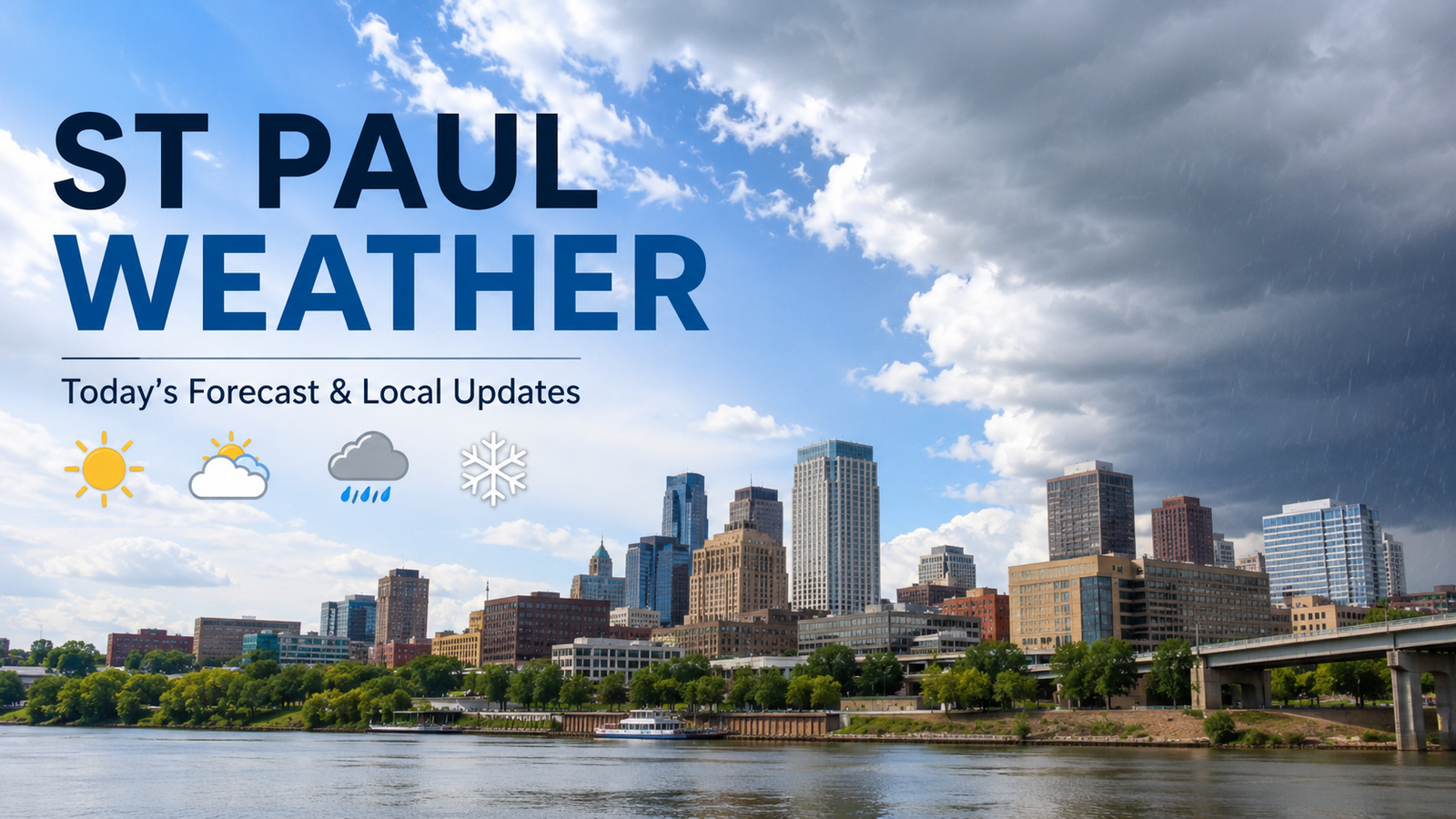
St Paul Weather: Forecast, Climate, and Seasonal Guide
St Paul Weather is one of the defining features of life in Minnesota’s capital city. Known for its four distinct seasons, St. Paul experiences everything from snowy winters and colorful autumns to warm summers and refreshing spring days. Whether you’re planning a vacation, moving to the city, or simply checking what to expect throughout the year, understanding the local climate can help you prepare for changing conditions.
The city’s weather is influenced by its location in the Upper Midwest, where continental air masses create noticeable seasonal variations. Winters can be cold and snowy, while summers are typically warm with occasional thunderstorms. Spring and autumn offer pleasant temperatures and beautiful scenery, making them favorite seasons for many residents and visitors.
This guide explores St Paul Weather in detail, including seasonal patterns, monthly climate, average temperatures, precipitation, travel advice, and answers to the most common questions.
Key Takeaways
- St. Paul experiences four distinct seasons with significant temperature changes.
- Winters are cold and snowy, while summers are warm and occasionally humid.
- Spring and autumn provide comfortable weather and beautiful natural scenery.
- Weather conditions can change quickly, so checking forecasts before outdoor activities is recommended.
- Every season offers unique opportunities for recreation, sightseeing, and local events.
Main Article
Understanding St Paul Weather
St. Paul, Minnesota, has a humid continental climate, meaning residents experience warm summers and cold winters. Seasonal changes are dramatic, making weather one of the city’s defining characteristics.
The city’s location in the Upper Midwest allows cold Arctic air to arrive during winter while warm, humid air moves north during summer. This combination creates a wide range of temperatures throughout the year.
Average annual conditions include:
| Climate Feature | Typical Value |
|---|---|
| Climate Type | Humid Continental |
| Warmest Month | July |
| Coldest Month | January |
| Average Annual Snowfall | Around 50 inches (127 cm) |
| Average Annual Rainfall | Around 30 inches (76 cm) |
These averages can vary from year to year depending on regional weather patterns.
St Paul Weather by Season
Winter (December to February)
Winter is often the longest and coldest season.
Temperatures frequently fall below freezing, with January usually being the coldest month. Snowfall is common, creating picturesque landscapes but also requiring preparation for icy roads and sidewalks.
Typical winter conditions include:
- Average highs between 20°F and 30°F (-7°C to -1°C)
- Overnight lows often below 10°F (-12°C)
- Frequent snowfall
- Occasional winter storms
- Strong winds creating lower wind chills
Despite the cold, winter brings opportunities for:
- Ice skating
- Cross-country skiing
- Snowshoeing
- Winter festivals
- Holiday events
Proper winter clothing is essential, including insulated jackets, gloves, boots, hats, and thermal layers.
Spring (March to May)
Spring brings gradual warming after the long winter.
Snow begins melting during March, although occasional snowstorms can still occur early in the season.
As temperatures rise, parks, gardens, and walking trails become increasingly popular.
Spring weather characteristics include:
- Variable temperatures
- Increasing rainfall
- Blooming flowers and trees
- Longer daylight hours
Spring is also a season when thunderstorms become more common.
Because conditions change rapidly, dressing in layers is often the best approach.
Summer (June to August)
Summer offers the warmest St Paul Weather of the year.
July is typically the hottest month, with daytime temperatures commonly reaching the upper 70s and 80s°F (around 26–30°C). Some days exceed 90°F (32°C).
Summer features:
- Warm afternoons
- Higher humidity
- Afternoon thunderstorms
- Plenty of sunshine
Popular summer activities include:
- Boating on nearby lakes
- Outdoor concerts
- Farmers markets
- Cycling
- Hiking
- River cruises
- Baseball games
Occasional thunderstorms may produce heavy rain, lightning, and strong winds, although they usually pass quickly.
Autumn (September to November)
Many people consider autumn the best season to visit St. Paul.
Temperatures remain comfortable during early fall before gradually cooling.
The city becomes known for brilliant autumn foliage, attracting photographers and nature enthusiasts.
Autumn weather typically offers:
- Crisp mornings
- Mild afternoons
- Lower humidity
- Vibrant fall colors
- Comfortable hiking conditions
By late November, colder temperatures return and the first significant snowfall may arrive.
Monthly Climate Overview
| Month | Average High | Average Low | Typical Conditions |
|---|---|---|---|
| January | 24°F (-4°C) | 8°F (-13°C) | Cold and snowy |
| February | 29°F (-2°C) | 12°F (-11°C) | Snow and freezing temperatures |
| March | 42°F (6°C) | 24°F (-4°C) | Snow melts, mixed weather |
| April | 58°F (14°C) | 37°F (3°C) | Rain and warming temperatures |
| May | 70°F (21°C) | 49°F (9°C) | Mild and pleasant |
| June | 79°F (26°C) | 59°F (15°C) | Warm with occasional storms |
| July | 84°F (29°C) | 65°F (18°C) | Warmest month |
| August | 81°F (27°C) | 62°F (17°C) | Warm and humid |
| September | 73°F (23°C) | 53°F (12°C) | Comfortable weather |
| October | 59°F (15°C) | 40°F (4°C) | Cool autumn days |
| November | 42°F (6°C) | 27°F (-3°C) | Chilly with early snow |
| December | 28°F (-2°C) | 13°F (-11°C) | Cold and snowy |
These figures represent long-term averages and can vary each year.
Rainfall and Snowfall
Precipitation occurs throughout the year.
Rainfall is highest during late spring and summer due to thunderstorms.
Snow dominates winter months and contributes significantly to annual precipitation.
General patterns include:
- Rainiest months: May through August
- Snowiest months: December through February
- Spring showers support lush greenery
- Summer storms are often brief but intense
Severe Weather
Like much of Minnesota, St. Paul occasionally experiences severe weather.
Possible weather events include:
- Thunderstorms
- Strong winds
- Heavy rainfall
- Hail
- Tornado watches or warnings
- Winter blizzards
- Ice storms
Although severe events are relatively infrequent, residents are encouraged to monitor forecasts and weather alerts.
Best Time to Visit St. Paul
The ideal time depends on your interests.
| Season | Best For |
|---|---|
| Spring | Gardens, mild temperatures, outdoor walks |
| Summer | Festivals, parks, boating, outdoor dining |
| Autumn | Fall colors, sightseeing, hiking |
| Winter | Snow sports, holiday events, winter scenery |
Many travelers prefer September and October because of comfortable temperatures and beautiful autumn landscapes.
How St Paul Weather Affects Daily Life
Residents adapt their routines to changing seasons.
Winter often requires:
- Snow removal
- Winter tires
- Heated clothing
- Extra travel time
Summer encourages outdoor recreation, while spring and autumn provide ideal conditions for walking, cycling, and community events.
The changing climate also influences landscaping, home maintenance, transportation, and recreational activities throughout the year.
Clothing Tips for Every Season
Winter
- Heavy insulated coat
- Waterproof boots
- Gloves
- Hat
- Thermal layers
- Scarf
Spring
- Waterproof jacket
- Sweater
- Umbrella
- Comfortable walking shoes
Summer
- Light clothing
- Sunglasses
- Sunscreen
- Hat
- Water bottle
Autumn
- Light jacket
- Sweater
- Closed-toe shoes
- Layered clothing
Travel Tips Based on St Paul Weather
Planning ahead helps visitors enjoy the city regardless of the season.
Helpful tips include:
- Check the local forecast before traveling.
- Pack layers because temperatures can change quickly.
- Allow extra driving time during winter storms.
- Stay hydrated during hot summer days.
- Wear comfortable footwear for exploring parks and downtown attractions.
- Keep rain gear available during spring and summer.
Why St Paul Weather Is Unique
Several factors make St. Paul’s climate distinctive:
- Four clearly defined seasons
- Significant annual snowfall
- Warm, pleasant summers
- Spectacular autumn foliage
- Active outdoor lifestyle year-round
- Wide annual temperature range
These seasonal changes contribute to the city’s character and make every time of year feel different.
Frequently Asked Questions
What is the coldest month in St. Paul?
January is typically the coldest month, with average temperatures well below freezing and frequent snowfall.
Does St. Paul get a lot of snow?
Yes. St. Paul averages around 50 inches of snow annually, although totals vary from year to year.
When is the best time to visit St. Paul?
Late spring, summer, and early autumn are popular because temperatures are comfortable and many outdoor events take place.
Is summer in St. Paul humid?
Yes. Summer can be warm and moderately humid, especially during July and August.
Does St. Paul experience severe storms?
Occasionally. Thunderstorms, strong winds, hail, and winter storms can occur depending on the season.
How should I dress for St Paul Weather?
Layering is recommended throughout the year. Heavy winter clothing is essential during colder months, while lightweight clothing works best in summer.
Does the weather change quickly in St. Paul?
Yes. Weather conditions can shift rapidly, particularly during spring and autumn, making it wise to check forecasts regularly.
Conclusion
St Paul Weather offers a true four-season experience, making Minnesota’s capital an appealing destination throughout the year. From snowy winters and colorful autumns to warm summers and refreshing springs, each season brings its own beauty and activities.
Understanding the city’s climate helps residents and visitors plan everything from daily commutes to vacations and outdoor adventures. By preparing for seasonal changes, dressing appropriately, and staying informed about forecasts, you can enjoy everything St. Paul has to offer in comfort and safety, no matter the time of year.






Leave a Reply